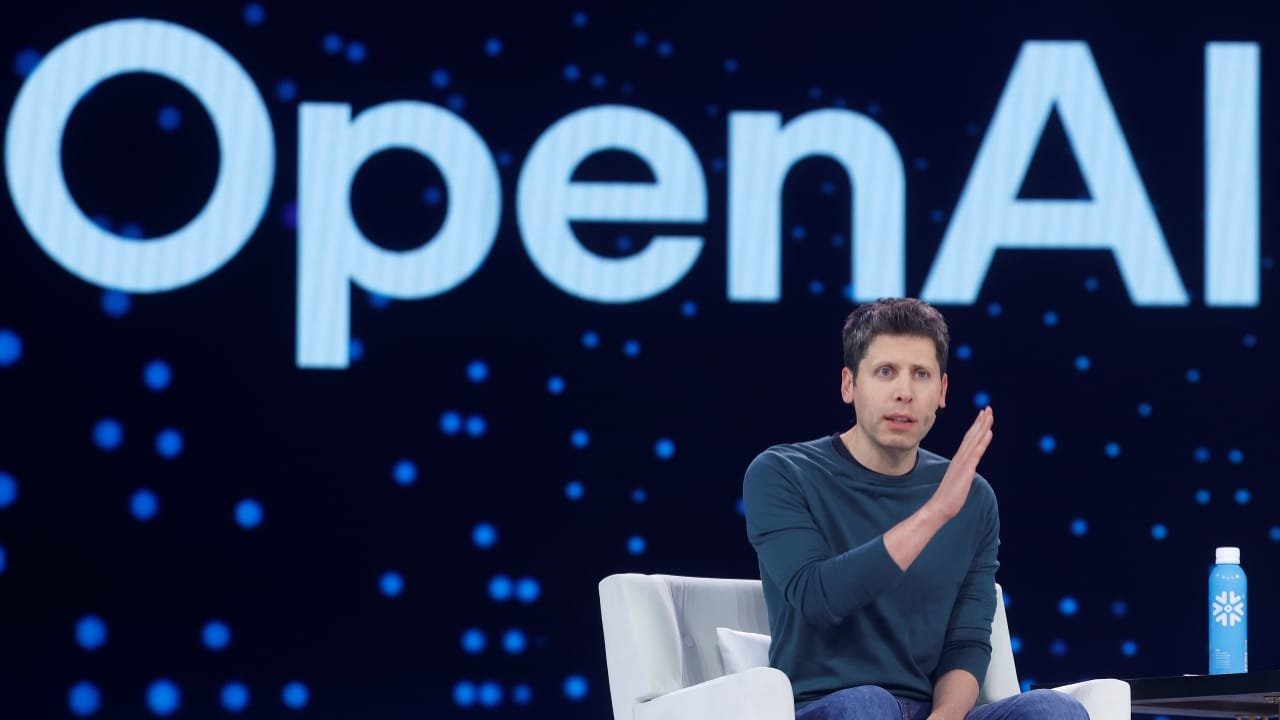
OpenAI has been on a spending spree. But this acquisition is different from everything else it’s done — and it tells you something important about where the company is actually headed.
Today, March 19, OpenAI announced it is acquiring Astral — the company behind some of the most widely used Python developer tools in the world. Not an AI lab. Not a robotics startup. Not a defense contractor. A tooling company beloved by millions of software developers who use its products every single day without thinking twice about it.
That’s a deliberate choice. And it’s a smarter move than it looks on the surface.
What Astral Actually Is
If you’re not a developer, Astral’s name probably means nothing to you. Inside the software engineering world, it’s a different story.
Astral built Ruff — a Python code linter and formatter that became the fastest and most popular tool of its kind almost overnight after launching in 2022. It does in milliseconds what competing tools take seconds to do. In a world where developers run these checks thousands of times per day, that speed difference is genuinely significant.
Astral also built uv — a Python package manager that replaced pip for a large portion of the developer community by being dramatically faster and more reliable. When a tool solves a real frustration that developers have lived with for years, adoption spreads fast. uv spread very fast indeed.
Both tools are open source. Both are used by millions of developers globally. And both are now owned by OpenAI.
Why OpenAI Is Buying Developer Tools
Here’s the part that requires a bit of reading between the lines.
OpenAI’s most important product right now isn’t ChatGPT. It’s Codex — the AI-powered coding platform that lets developers write, debug, refactor, and execute code through AI agents that work autonomously across entire codebases.
Codex runs in Python environments. Codex agents use package managers. Codex deployments depend on the exact tooling infrastructure that Astral has spent three years building and optimizing.
Acquiring Astral doesn’t just give OpenAI talented engineers — though it does that too. It gives OpenAI direct control over the infrastructure layer that sits underneath AI-powered coding workflows. Every Codex agent that installs a Python package, checks code formatting, or manages dependencies is working within an environment where Astral’s tools play a foundational role.
Owning that layer is strategically valuable in ways that are hard to overstate once you understand how AI coding agents actually work.
The Developer Trust Angle
There’s another dimension to this that pure strategy analysis tends to miss.
OpenAI has had a complicated few weeks. The Pentagon deal. The executive departures. The ChatGPT uninstall surge. The company’s relationship with the developer community — historically one of its strongest constituencies — has been under strain.
Astral is genuinely beloved by developers. Ruff and uv didn’t win adoption through marketing or corporate deals. They won it by being technically excellent, consistently maintained, and built by people who clearly understood and cared about developer workflows.
Bringing Astral’s team inside OpenAI sends a message to the developer community that probably isn’t accidental: we still care about the fundamentals, not just the flashy AI demos.
Whether that message lands depends entirely on what OpenAI does with Astral’s tools after the acquisition closes. The open source community’s biggest concern is always the same — that a corporate acquirer will change the licensing, slow the development pace, or gradually steer an independent tool toward serving the acquirer’s commercial interests.
OpenAI will need to be careful here. Developer trust, once lost, is extremely difficult to rebuild.
What Happens to Ruff and uv
OpenAI has committed to keeping both tools open source. That commitment matters — and it will be tested.
The most likely scenario is that Astral’s team joins OpenAI’s Codex infrastructure group and continues developing Ruff and uv while also working on the deeper integration between those tools and OpenAI’s AI coding products.
For developers using Ruff or uv today — nothing changes immediately. The tools will continue to work exactly as they do now. The question of whether OpenAI’s ownership changes the project’s direction over time is one that only plays out over months and years.
As we covered in our breakdown of OpenAI’s GPT-5.4 launch — the company is making a clear push toward owning the entire agentic coding stack from model to infrastructure. The Astral acquisition is the latest piece of that puzzle snapping into place.
Also read: Google Just Spent $32 Billion on a Cybersecurity Startup
Word count: ~580
Reading time: 3 min
Internal links:
- OpenAI GPT-5.4 article — OpenAI coding context
- Google Wiz acquisition article — big tech acquisition context
External links:
- OpenAI — official Astral acquisition announcement TODAY
- TechCrunch — developer tools analysis