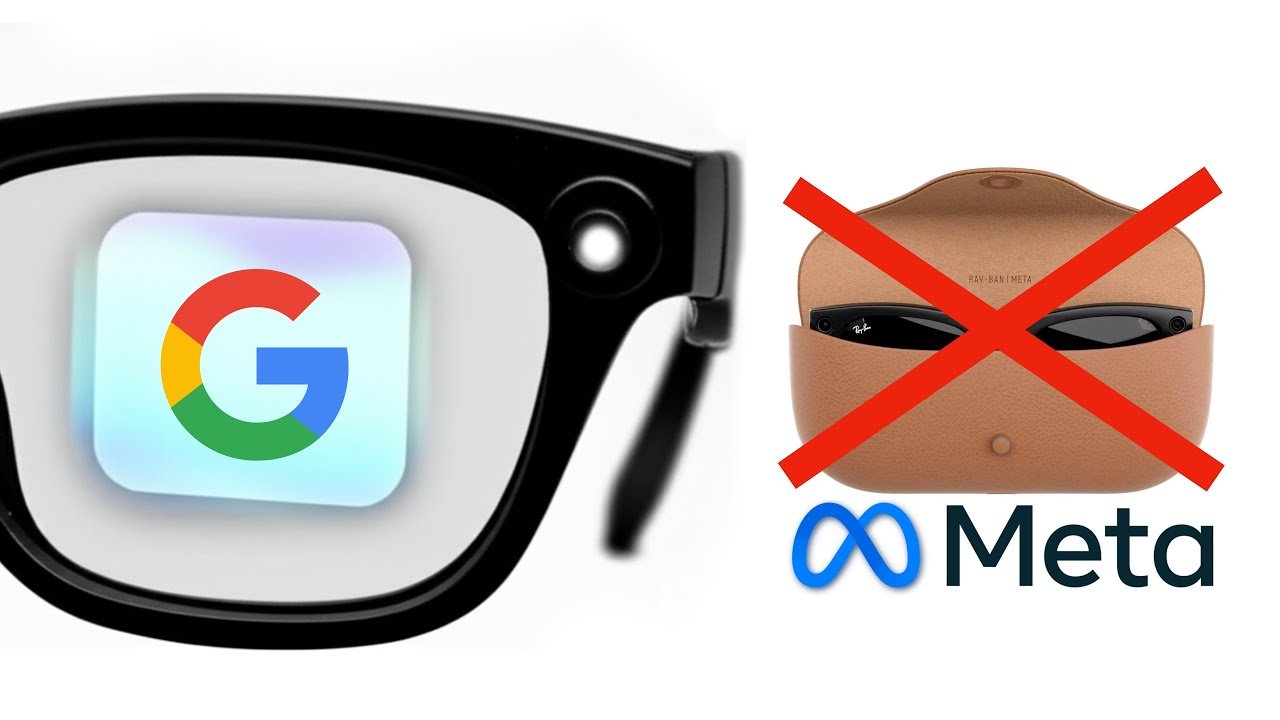
Google Is About to Challenge Meta’s Smart Glasses. Meta had a two-year head start. Google just found a way to close that gap faster than anyone expected.
Google confirmed this week it is launching its first AI-powered smart glasses in 2026 — and the partner it chose to make them says everything about the strategy. Not Ray-Ban. Not a tech brand. Warby Parker — the company that disrupted the eyewear industry by making stylish glasses actually affordable.
That choice is deliberate. And it’s smart.
Why Smart Glasses Are Actually a Big Deal Now
For years smart glasses were a punchline. Google Glass launched in 2013 to mockery and privacy concerns and quietly disappeared. Everyone moved on.
Something changed.
Meta’s smart glasses have caught on in part thanks to its partnership with Ray-Ban, and it sells these products in retail stores. Real people are wearing them in coffee shops, airports, and gyms — not as a novelty but as a genuine daily accessory. The form factor finally works. The technology finally fits inside something you’d actually put on your face.
Wearables provide a less expensive wedge into physical AI with consumer buy-in. Smart glasses like the Ray-Ban Meta are starting to ship assistants that can answer questions about what you’re looking at — and new form factors like AI-powered health rings and smartwatches are growing fast.
Google looked at all of that and decided the window was open. Hence — Warby Parker.
What Google Actually Built
Google is working on various types of AI-powered glasses — one model designed for screen-free assistance, using built-in speakers, microphones, and cameras to allow the user to communicate with Gemini and take photos.
The key phrase there is screen-free. Google isn’t trying to put a display in front of your eye — the approach that made Google Glass so awkward and unsettling to everyone standing near someone wearing them. It’s building glasses that look like glasses, feel like glasses, and happen to have Gemini running inside them.
You ask a question. The answer comes through a speaker near your ear. You take a photo by tapping the frame. The AI describes what it sees, answers questions about your surroundings, and handles tasks while your phone stays in your pocket.
That’s the pitch. And it’s a significantly more human pitch than anything Google tried the first time.
The Warby Parker Move
Google’s partnership with Warby Parker seems like it will follow a similar strategy to Meta and Ray-Ban — committing $75 million thus far to support the eyewear company’s product development and commercialization costs. If Warby Parker meets certain milestones, Google will commit an additional $75 million and take an equity stake in the brand.
$150 million total potential commitment. For an eyewear company. That’s how seriously Google is taking this.
Warby Parker matters for a reason that has nothing to do with technology. Meta won the early smart glasses market not because Ray-Ban made the best hardware — but because Ray-Ban made glasses people actually wanted to wear. Style beat specs. Literally.
Warby Parker has the same cultural cachet for a younger, more design-conscious demographic. People who wouldn’t be caught dead in Ray-Bans will absolutely wear Warby Parker. Google just unlocked a completely different customer base with one partnership announcement.
Apple Is Also Coming
Apple is speeding up development of its AI-powered smart glasses — code-named N50 — as it looks to stay competitive with other tech giants racing to release similar products.
So the 2026 smart glasses race looks like this: Meta already in market with Ray-Ban. Google launching with Warby Parker. Apple accelerating its own version. Snap releasing its Specs. Samsung building XR hardware on Android XR.
Every major tech company is betting that the next computing platform lives on your face — not in your pocket.
The Honest Reality
Smart glasses are still a niche product. Most people still think wearing a computer on your face is weird. The privacy concerns — cameras pointing at strangers, microphones always on — haven’t gone away. They’ve just gotten quieter.
And Gemini, as impressive as it is, still gets things wrong. A glasses-based AI assistant that confidently gives you wrong directions or misidentifies something you’re looking at doesn’t just cause frustration — it causes embarrassment. In public. While people are watching.
The technology is ready enough to launch. Whether it’s ready enough to become mainstream is the question nobody can answer yet.
But Google is $75 million deep into finding out.
Word count: ~560
Reading time: 3 min
External links:
- TechCrunch — Google AI glasses announcement
- 9to5Mac — Apple smart glasses N50 details
About Author: Author Bio