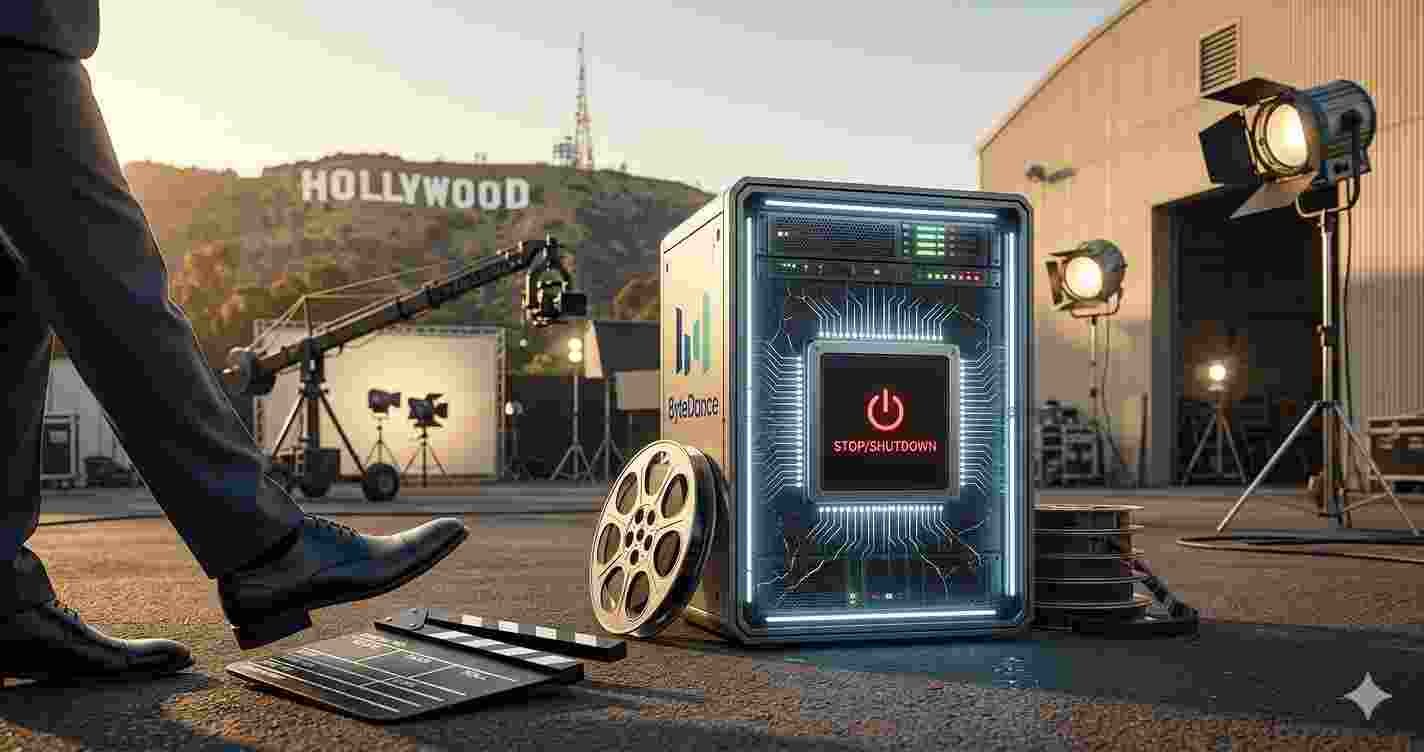
ByteDance built something impressive. Then Hollywood made one phone call — and ByteDance blinked. ByteDance Just Killed Its Own AI Video Tool.
Seedance 2.0, ByteDance’s latest AI video generation model, was quietly suspended from its planned global launch this week. The reason? A string of copyright disputes with Hollywood studios and major streaming platforms who weren’t happy about what the model could do.
The tool had already launched inside China. Globally? Frozen. Indefinitely.
What Seedance 2.0 Actually Was
Seedance 2.0 wasn’t just another AI video generator. By most accounts from early testers, it was genuinely impressive — capable of producing cinematic-quality video clips that looked nothing like the jittery, uncanny-valley outputs most AI video tools produce today.
That’s exactly why Hollywood panicked.
The studios weren’t worried about bad AI video. They were worried about good AI video. Specifically, AI video good enough to reproduce the look, feel, and style of copyrighted films, shows, and visual content at scale — without paying a single dollar in licensing fees.
Why ByteDance Backed Down
ByteDance suspended the global launch of Seedance 2.0 amid copyright disputes with Hollywood studios and streamers — it was launched in China last month. Gizchina
That’s the official version. The reality is probably more complicated.
ByteDance is not a company that backs down easily. TikTok has been fighting governments, regulators, and lawmakers across multiple continents for years without flinching. The fact that copyright complaints from entertainment companies stopped a global product launch says something important — either the legal exposure was genuinely serious, or ByteDance decided the fight wasn’t worth it right now.
There’s a third option too. ByteDance may simply be buying time to retrain the model with properly licensed data before relaunching. That’s the move several other AI companies have made when facing similar pressure.
The Bigger War Nobody Is Winning
This isn’t an isolated incident. It’s the latest battle in a war between Hollywood and AI companies that has been quietly escalating for two years.
OpenAI has faced lawsuits. Stability AI has faced lawsuits. Google has faced lawsuits. The core argument from studios is always the same — AI models trained on copyrighted content are using that content without permission or compensation, regardless of what they produce.
AI companies argue their training process is transformative and falls under fair use. Courts haven’t definitively settled the question yet. Until they do, every AI company with a powerful creative tool is operating in legal grey territory.
ByteDance just decided grey wasn’t comfortable enough.
What This Means for the AI Video Race
Sora from OpenAI. Veo 2 from Google. Kling from Kuaishou. The AI video space is genuinely competitive right now — and Seedance 2.0 was shaping up to be a serious contender.
Pulling it from global markets hands that ground back to competitors, at least temporarily. Every week Seedance 2.0 sits offline globally is a week Sora and Veo 2 are running without their most capable Chinese rival in the room.
Whether ByteDance resolves this in weeks or months will tell you a lot about how serious the legal problem actually is.
The Honest Take
Hollywood winning this round doesn’t mean Hollywood wins the war. AI video generation is coming regardless — the technology exists, the demand is real, and the economics are too compelling for every studio and creator on the planet to ignore eventually.
What it does mean is that the path to global AI video is going through licensing deals, legal frameworks, and uncomfortable negotiations — not just technical capability.
ByteDance has the engineering talent to build the best AI video model in the world. Right now, it doesn’t have the legal clearance to show it to you.
Word count: ~520
Reading time: 2.5 min
Internal links: (Link to Article 1 — Nvidia GTC for AI context)
External links:
Visit Pages : Write For Us Privacy Policy